Roofing Services in New Jersey: What Homeowners Need to Know Before Replacing a Roof

Understanding Roofing Challenges in New Jersey
Roofing systems in New Jersey must withstand coastal moisture, heavy rain, wind exposure, snow loads, and frequent temperature fluctuations. Over time, these conditions accelerate wear on shingles, flashing, ventilation systems, and roof decking.
Homeowners often delay action until visible leaks appear, but roofing issues typically begin long before interior damage is noticeable. Professional inspections identify hidden problems early, helping prevent costly structural repairs and premature roof failure.
What Roofing Contractors Do
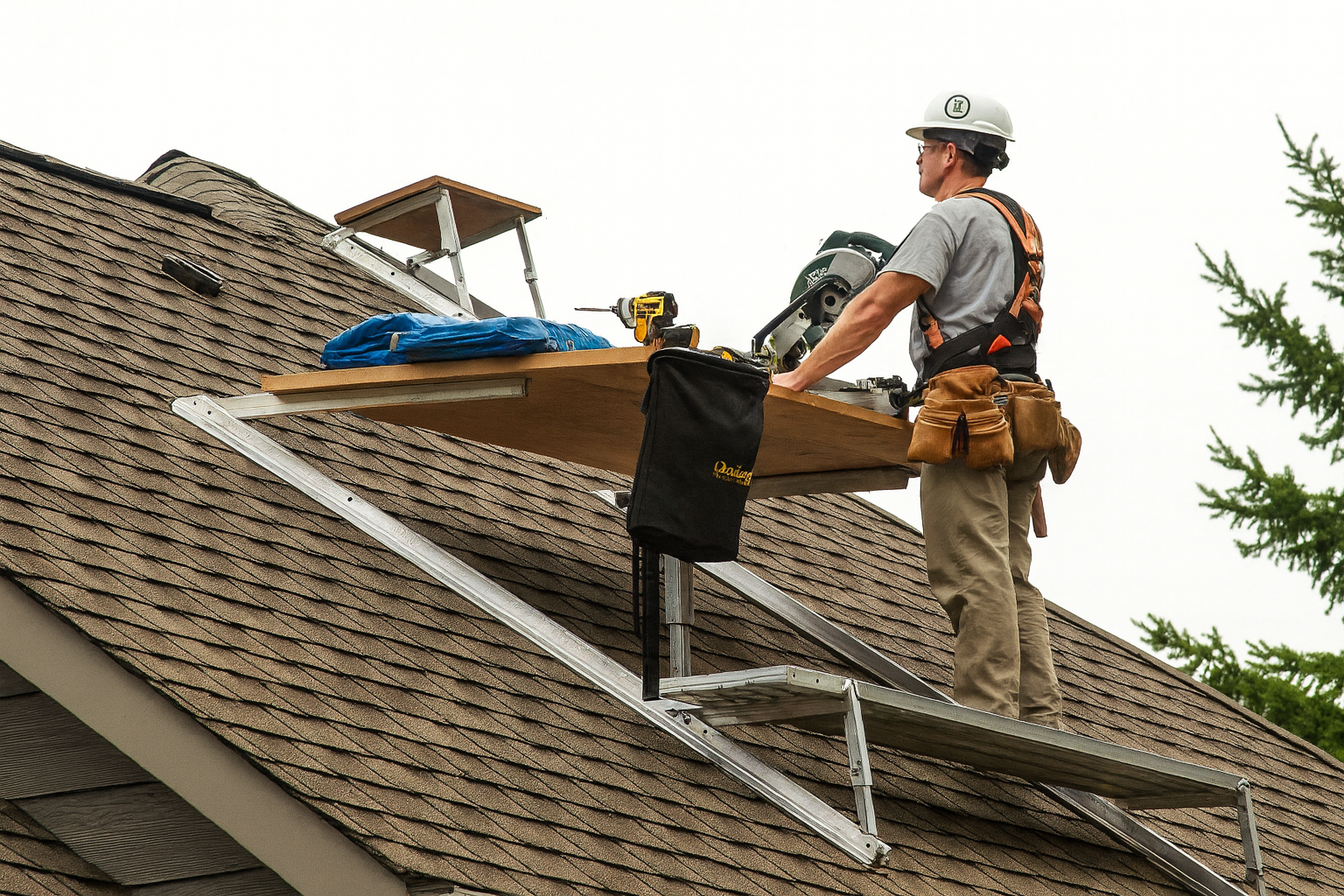
Professional roofing contractors evaluate, repair, and replace roofing systems to maintain weather protection, structural integrity, and energy efficiency. Their responsibilities include inspecting roof components, diagnosing failure points, recommending repair or replacement solutions, securing permits, and ensuring installations meet New Jersey building codes.
Experienced contractors also coordinate material selection, safety protocols, and final inspections to deliver long-lasting results.
Common Roof Repair Services
Roof repair services focus on restoring watertight performance and extending roof lifespan. Common services include:
- Leak detection and targeted repairs
- Shingle or tile replacement
- Flashing repair around chimneys, skylights, and valleys
- Flat roof membrane patching
- Gutter and drainage corrections
- Storm damage assessment and documentation
Accurate diagnostics ensure repairs address the root cause, not just surface symptoms.
Emergency Roof Repair
Emergency roof repair prioritizes immediate protection of the home and occupants. Contractors secure loose materials, apply temporary coverings, divert water intrusion, and document damage for insurance purposes. Once stabilized, a permanent repair or replacement plan is developed.
Signs a Roof May Need Repair or Replacement
Professional roofing evaluation is recommended if homeowners notice interior water stains, missing or curling shingles, sagging rooflines, excessive granule loss, attic moisture, mold, or unexplained increases in energy costs. Addressing these signs early can prevent full roof replacement.
Roof Replacement Considerations
Roof replacement scope is influenced by material selection, roof size, pitch, complexity, ventilation requirements, decking condition, and local permit fees. Materials such as asphalt shingles, metal roofing, tile, slate, and low-slope membranes vary in lifespan, maintenance needs, and long-term value.
Understanding proposal line items helps homeowners compare bids accurately and assess warranty coverage.
Residential and Commercial Roofing Services
Residential roofing focuses on pitched systems designed for long-term durability and curb appeal, while commercial roofing contractors specialize in low-slope systems, membranes, coatings, and maintenance programs. Both require strict adherence to safety standards and building codes.
Preventive maintenance plans reduce emergency repairs and extend roof service life for homeowners and property managers alike.
Choosing the Right Roofing Contractor
Selecting a qualified roofing contractor requires verifying licensing, insurance coverage, manufacturer certifications, documented warranties, and local experience. Homeowners should request itemized proposals, clear timelines, and references for comparable projects.
Transparent communication and code compliance are essential indicators of a reliable contractor.
The Value of Roof Inspections and Maintenance
Routine roof inspections identify minor issues before they escalate, preserve warranty eligibility, and provide documentation for insurance claims. Scheduled maintenance reduces unexpected repair costs and supports long-term property planning.
FAQs
How do I know if my roof needs repair or replacement?
Leaks, missing shingles, sagging areas, poor ventilation, or an aging roof are common indicators. A professional inspection determines the safest and most cost-effective solution.
How long does a roof replacement take?
Most residential roof replacements in New Jersey are completed within one to three days, depending on roof size, materials, weather conditions, and structural complexity.
Do roofing projects require permits in New Jersey?
Yes. Most roof replacements require local permits and inspections to ensure compliance with New Jersey building codes and safety standards.