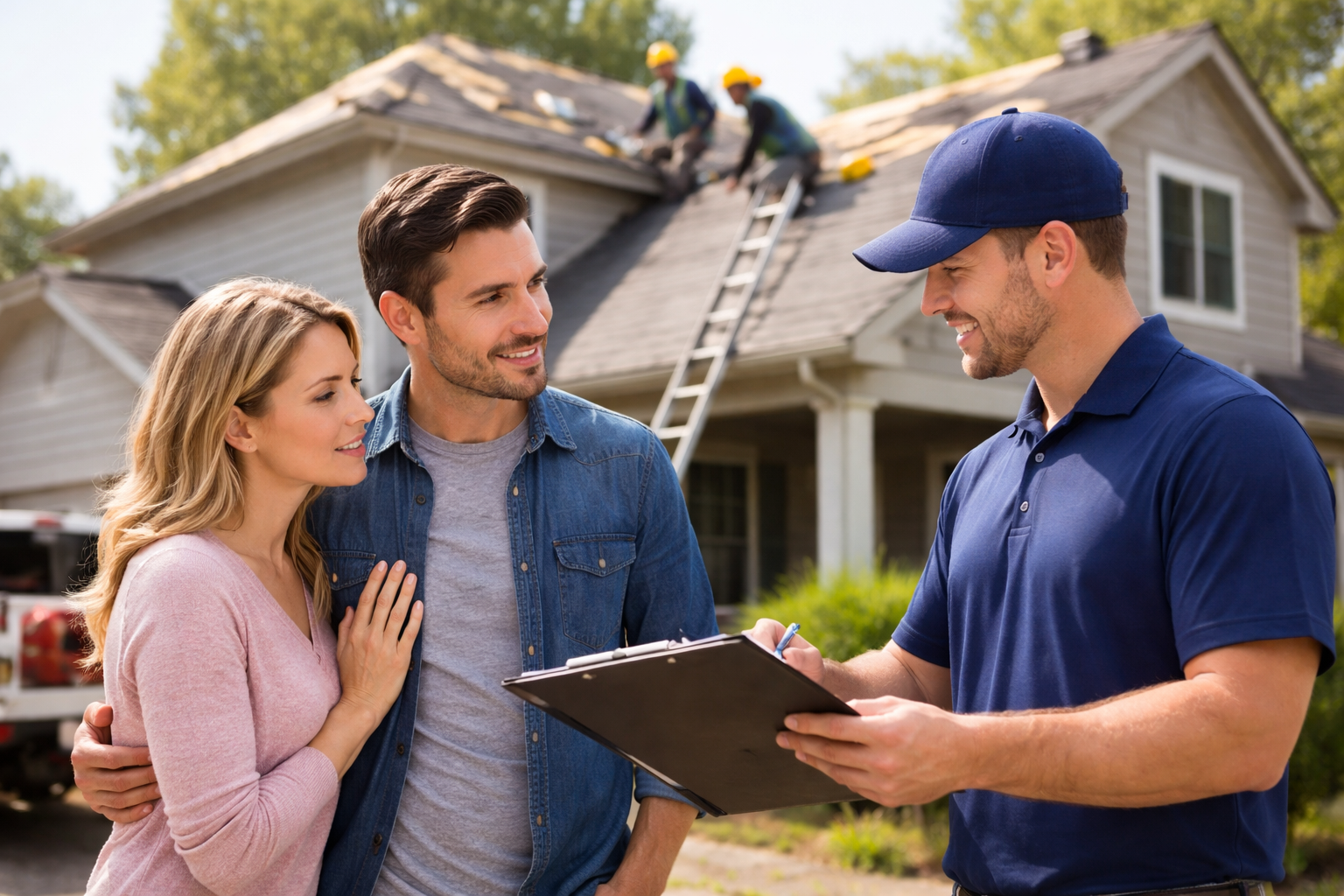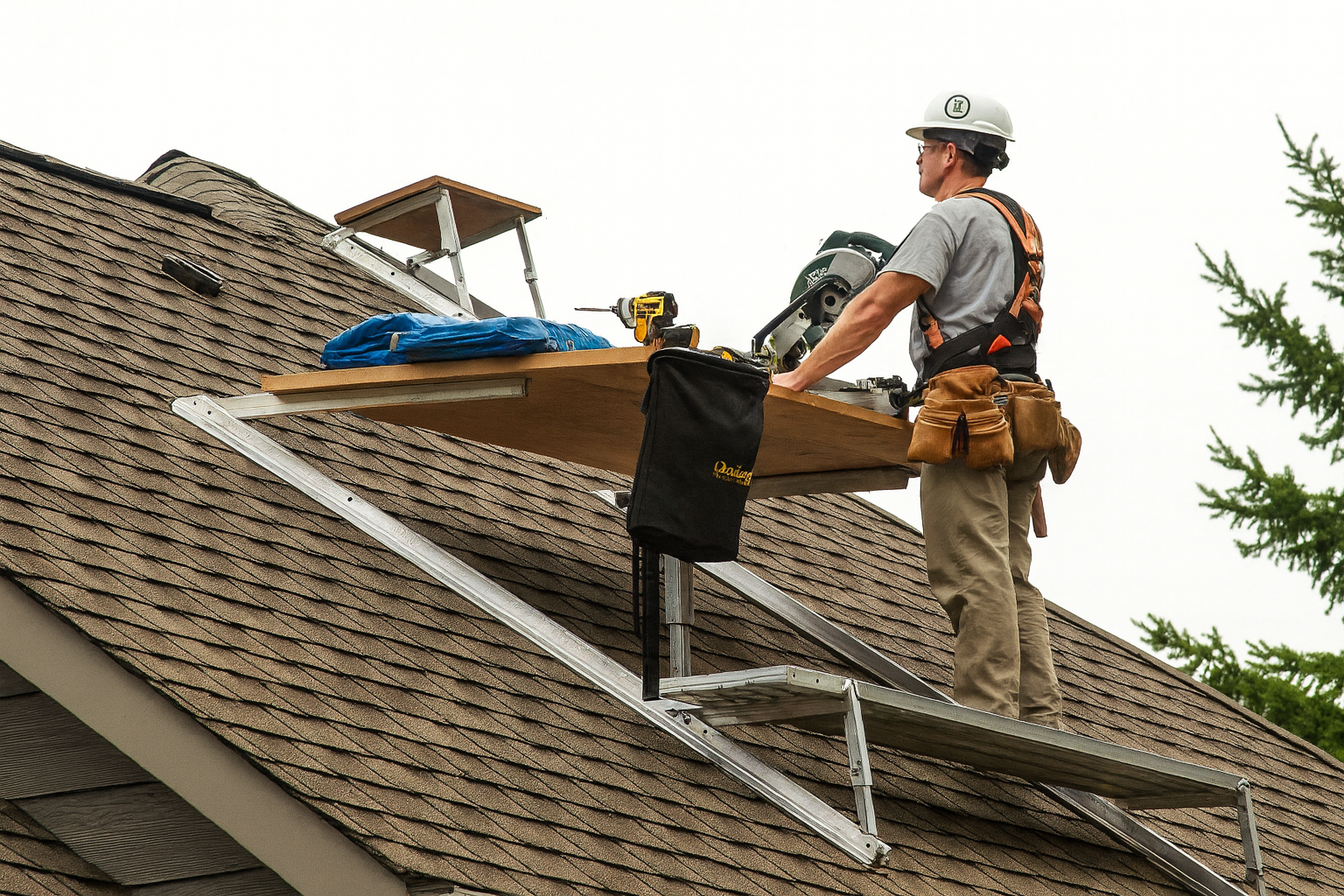
Local Roofing Experts at Your Service
Finding a qualified roofing contractor near you is crucial for reliable repair, timely replacement, and durable commercial systems that protect property value and occupant safety. This guide, developed by seasoned roofing professionals, empowers property owners with the knowledge to make informed decisions. It explains what roofing contractors do, how they diagnose and fix problems, and which services suit residential and commercial buildings. We cover common repair services, replacement project factors, commercial roofing capabilities, contractor vetting, and the ROI of inspection and maintenance programs, using practical checklists and comparison tables to help you evaluate options and prioritize next steps.
Meet Our Seasoned Owner and Roofing Professional
John Yannariello
Owner of J.A.Y. Construction and Roofing Specialist
John, the owner of J.A.Y. Construction, brings over 25 years of hands-on experience across every major aspect of residential construction. He specializes in full home remodeling, custom home additions, kitchen and bathroom renovations, house lifting and structural repairs, new home construction, roofing, siding, and complete interior and exterior transformations. His deep industry knowledge ensures homeowners receive high-quality, code-compliant workmanship with lasting value.
Building on decades of trusted service, John has recently expanded J.A.Y. Construction by launching a dedicated Roofing & Siding Division. This new division allows the company to further enhance curb appeal, home protection, and energy efficiency while delivering the same craftsmanship, integrity, and customer-focused experience J.A.Y. Construction is known for.
John’s commitment to excellence—and to the homeowners he serves—continues to drive the growth and reputation of the company.
What Are the Most Common Roof Repair Services Offered by Roofing Contractors?
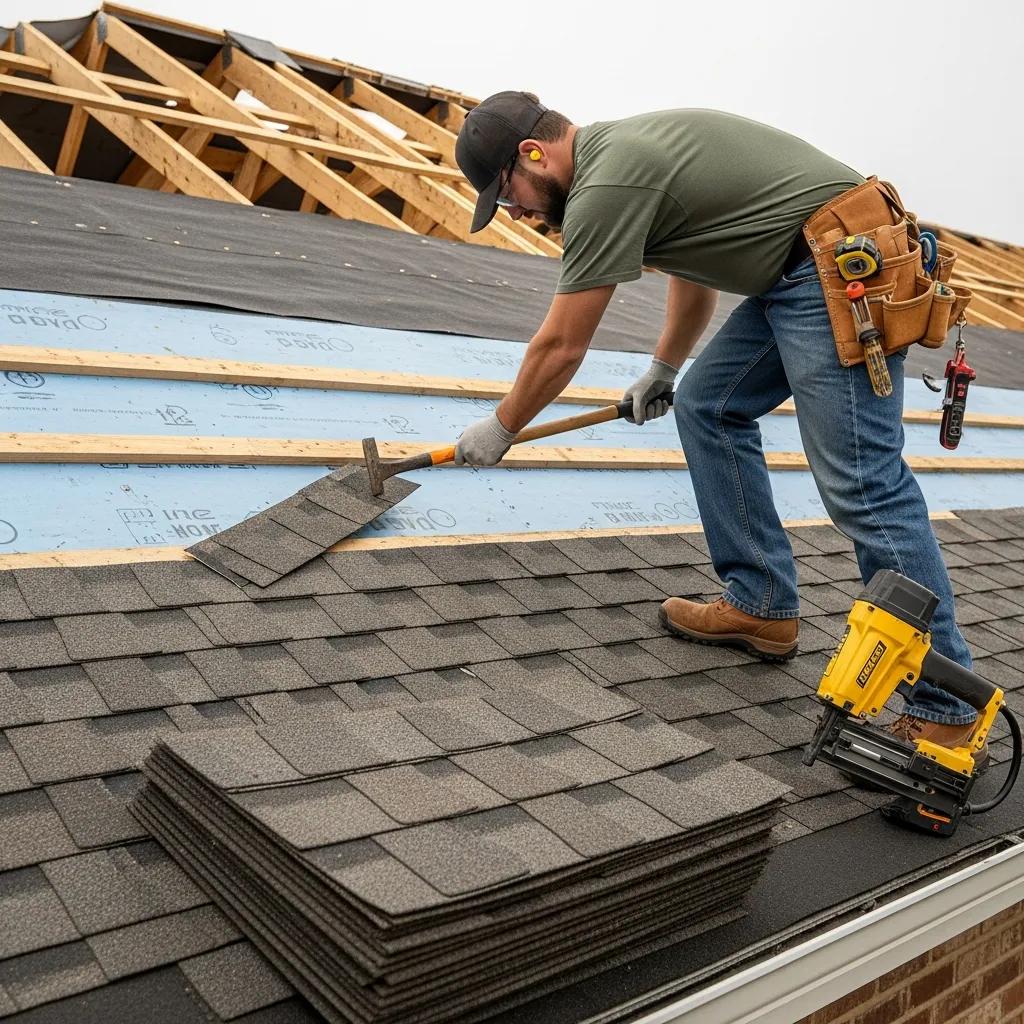
Roofing contractors deliver a range of repair services to quickly restore watertight performance by targeting leak sources, damaged coverings, and failing components. These services include leak detection and patching, shingle or tile replacement, flashing repair, gutter and downspout repair, flat roof membrane patching, and storm-damage remediation. Reputable contractors adhere to industry best practices and safety standards, ensuring effective repairs compliant with local building codes. Rapid diagnostics, often combining visual inspection, moisture detection, and thermal imaging, determine the root cause before permanent repairs, reducing repeat leaks. Understanding typical timelines and response priorities helps property owners decide when to call a professional and prepares them for insurance claims.
Roof repair crews commonly perform these top services for residential and commercial roofs:
- Leak detection and targeted patching to stop active water intrusion quickly and prevent interior damage.
- Shingle or tile replacement to restore protective cover and maintain roof aesthetics.
- Flashing repair and resealing around chimneys, skylights, and valleys to eliminate common leak paths.
- Flat-roof membrane patching and seam repair to address ponding or punctures in low-slope systems.
- Gutter and drainage repair to ensure water is carried safely away from the roof and foundation.
- Storm damage remediation, including debris removal and documentation for insurance claims.
How Do Roofing Contractors Handle Emergency Roof Repair?
Emergency roof repair prioritizes rapid triage to protect occupants and property, typically involving temporary coverings, water diversion, and immediate safety measures. Contractors apply tarps or temporary membranes, clear debris, and secure loose materials to minimize interior damage while a permanent scope is defined. The emergency workflow includes documenting damage for insurance claims and basic diagnostics, followed by a prioritized plan for permanent repair or partial replacement. Safety coordination and scheduling permanent remediation are critical next steps, with contractors explaining temporary measures and expected timelines.
What Are the Signs You Need Professional Roof Repair?
Professional roof repair is warranted when visual or performance indicators point to active or imminent failure. These include interior water stains, visible missing shingles or tiles, a sagging roof deck, granular loss on shingles, persistent attic moisture or mold, or sudden spikes in energy bills. Homeowners should prioritize urgent signs like active leaks or structural sagging, while monitoring non-urgent issues until a scheduled inspection. Calling a contractor for a rapid assessment preserves warranty eligibility and prevents small issues from becoming costly replacements.
Roof Replacement: Factors Affecting Project Scope
Roof replacement projects are driven by material choice, roof size and complexity, labor rates, local permit and disposal fees, and the existing roof deck condition. Material selection—such as asphalt shingles, metal, tile, slate, or low-slope membranes—affects both initial investment and long-term lifecycle considerations, requiring installation by manufacturer-certified professionals for warranty validity. Complexity factors like steep pitch, valleys, skylights, or multiple levels increase labor hours and safety measures. Additional line items often include tear-off, underlayment upgrades, ventilation improvements, flashing replacement, and any repair or replacement of damaged decking. Understanding how contractors compose project proposals helps owners compare bids fairly and identify value differences tied to warranties, material grades, and workmanship guarantees.
MaterialExpected LifespanMaintenance LevelAsphalt Shingles20–30 yearsLow–ModerateMetal Roofing30–50 yearsLowTile (Clay/Concrete)40–75 yearsModerateSlate50–100+ yearsLow–ModerateTPO/EPDM/PVC (Low-slope)20–30 yearsModerate
Roof Replacement by Material Type
Estimating replacement projects by material combines roof area with factors for waste and complexity. Asphalt shingles are a practical choice with moderate lifespan and low maintenance, while metal and tile offer longer lifespans and higher durability with a greater initial investment. Low-slope commercial membranes have distinct project structures reflecting seam welding, flashing details, and coating options. Comparing total ownership considerations across 20–30 years reveals how a greater initial investment in durable materials can reduce replacement frequency and long-term operational costs. Itemized proposals clarify material, labor, and ancillary costs (permitting, disposal), making contractor comparisons more straightforward.
How Does Roof Size and Location Influence Replacement Projects?
Roof size and complexity scale directly with labor hours and materials; larger roofs and complicated geometries increase project scope through higher material quantities, more waste, and additional safety or equipment needs. Regional factors—local labor rates, permit fees, landfill disposal, and climate-driven code requirements—markedly alter final project scope. For steep or multi-level roofs, complexity multipliers reflect additional time and safety rigging. Similarly, roofs in regions with frequent storms may require upgraded materials and fastening patterns for enhanced resilience. Requesting line-item proposals and local climate adjustments from contractors yields more accurate projections and helps owners plan contingency.
What Services Do Commercial Roofing Contractors Provide?

Commercial roofing contractors specialize in systems and services tailored to low-slope and large-area roofs, including new installations, re-roofing, membrane replacement, coatings, waterproofing, preventative maintenance contracts, and emergency storm response. These services adhere strictly to commercial building codes and industry-specific best practices, ensuring compliance and long-term asset protection. They emphasize lifecycle asset management, including scheduled inspections, roof asset assessments, single-source warranty programs, and documentation packages for facility managers and insurers. Contractors also coordinate procurement, rooftop equipment transitions, and integration with building envelope improvements. For property managers, preventive maintenance plans extend service life and reduce emergency repair frequency.
SystemBest ForDurabilityTypical Contractor ServiceTPOLow-slope commercial roofsModerate–HighMembrane replacement, seam weldingEPDMSimple low-slope roofsModeratePatch repair, membrane overlaysPVCChemical-resistant roofsHighFull replacement, flashing systemsMetal PanelsHigh-durability applicationsHighPanel replacement, retrofitsRoof CoatingsExtend existing roof lifeVariableSurface preparation, coating application
Which Commercial Roofing Materials Are Most Durable and Efficient?
Durability and efficiency balance lifespan, maintenance, and installation complexity. PVC and metal typically offer high durability with a greater initial investment, while TPO and EPDM may be more efficient on a shorter timeline and simpler installation. Coatings can extend service life for older membranes, but their effectiveness depends on substrate condition. Lifecycle modeling, accounting for expected service life, maintenance cycles, and potential energy benefits from reflective membranes, provides a clearer picture than initial project considerations alone. Facility managers should request durability data and maintenance projections to quantify total ownership considerations. Selecting the optimal commercial system requires matching building use, rooftop equipment layout, and long-term maintenance capacity to the material properties.
How Do Commercial Roofing Contractors Manage Maintenance and Storm Damage?
Commercial contractors implement scheduled maintenance plans including periodic inspections, seam and flashing checks, gutter clearing, and performance documentation to validate warranties and inform capital planning. After storm events, they perform triage inspections, temporary protections, photographic documentation for claims, and prioritized remediation to limit downtime. Preventive maintenance agreements often include rapid-response clauses, detailed condition reports, and lifecycle budgeting. Clear documentation and consistent inspection records improve insurance claim outcomes and support long-term asset management. Proactive maintenance and transparent storm-response workflows reduce emergency project needs and extend roof system service life.
How Can You Find a Reliable Roofing Company Near Me?
Finding a reliable local roofing contractor hinges on verifying credentials, insurance coverage, manufacturer certifications, documented workmanship warranties, and a portfolio of completed projects matching your building type. Membership in professional organizations like the National Roofing Contractors Association (NRCA) often signals a commitment to industry standards. Look for contractors who provide written proposals with itemized scopes, clear timelines, and defined warranty coverage for transparency. Use review signals that include project photos, dates, and addresses, and request references for similar work. Assessing contractor responsiveness, safety practices, and ability to provide documentation for permits and insurance claims helps you select a firm that minimizes project risk.
Below is a step-by-step checklist to vet potential contractors before scheduling an inspection or proposal.
- Verify licensing and general liability insurance to ensure legal and financial protection for your project.
- Confirm workers' compensation coverage so workers and owners are protected in case of injuries.
- Request manufacturer certifications when specific roofing systems are involved to validate proper installation eligibility.
- Ask for recent project references and photos that demonstrate experience with comparable roof types.
- Require a written, itemized proposal that lists materials, labor, permits, and warranty terms.
Expert Tip: Verify Credentials Directly
Always cross-reference license numbers with your local building department and confirm insurance coverage directly with the provider. This extra step ensures the information provided by the contractor is current and valid, safeguarding your investment.
What Credentials and Reviews Should You Look for in a Roofing Contractor?
Key credentials include a valid local license, general liability and workers' compensation insurance, and manufacturer certifications matching your planned roof system. Look for contractors who invest in continuous training and hold advanced certifications. Reviews and third-party ratings should show detailed project descriptions and images, demonstrating consistent quality and issue resolution. During vetting, request copies of insurance certificates and certification numbers, and ask for written confirmation of warranty handling and claims support policies. Evaluating credentials alongside documented project outcomes reduces selection risk and supports a smoother project lifecycle.
How Do Roofing Contractors Ensure Timely Project Completion and Quality Workmanship?
Contractors use project management practices—detailed schedules, milestone tracking, material lead-time coordination, and pre-installation checklists—to control timelines and quality. Quality assurance steps include pre-install inspections, material verification, staged workmanship checks, and a final walkthrough with documented punch lists. Adherence to local building codes and rigorous quality control protocols are non-negotiable. Weather contingency plans and clearly defined change-order processes reduce delays, while final documentation usually includes warranty registration and maintenance recommendations. Clear communication protocols and written timelines enable owners to plan access and coordinate building operations, contributing to on-time completion.
After you vet contractors using the checklist above, take these practical next steps to get a local proposal and inspection:
- Request an on-site inspection and written proposal that itemizes materials, labor, and ancillary fees so you can compare bids objectively.
- Schedule an inspection window and ask the contractor to provide a standard report template so you know what documentation to expect.
- Confirm warranty coverage and maintenance recommendations in writing to maintain eligibility and extend roof life.
What Are the Benefits of Roof Maintenance and Inspection Services?
Regular roof maintenance and inspections prevent small issues from escalating, extend the roof’s service life, ensure warranty compliance, and optimize total lifecycle management through targeted repairs and scheduled replacements. Inspections validate warranty conditions and provide documentation for insurance claims or asset planning, while maintenance tasks—cleaning gutters, checking flashing, and removing debris—address common leak causes. Planned maintenance reduces emergency repair frequency and helps facility managers plan for anticipated capital replacements. The value of scheduled programs shows up over time as fewer unplanned outages, optimized repair needs, and more predictable asset management.
Inspection TypeRecommended FrequencyBenefitsAnnual Routine Inspection1/yearCatch minor problems early and validate warrantyHigh-risk / Biannual Inspection2/yearFor storm-prone or heavily trafficked roofs, reduces failuresPost-storm InspectionAs needed after major eventsDocument damage and enable timely emergency repairsPre-/Post-winter InspectionTwice a yearPrevent ice-dam issues and verify freeze-thaw resilience
How Often Should You Schedule Roof Inspections with a Roofing Contractor?
A baseline of annual inspections suits most residential roofs, with biannual or more frequent checks recommended for high-risk properties, commercial roofs, or after significant storms. Post-storm inspections are critical for early documentation for insurance claims and preventing secondary damage. For roofs with heavy rooftop equipment or frequent foot traffic, scheduled quarterly or biannual inspections reduce wear-related failures. Choosing the right frequency depends on roof material, local climate, building use, and warranty requirements, and a contractor’s inspection report should recommend a tailored schedule.
What Are the Key Maintenance Tasks to Extend Roof Lifespan?
A focused maintenance checklist prevents common failure modes: clean and inspect gutters and downspouts to avoid ponding; check flashing and sealants around penetrations to prevent leak paths; inspect shingles or membrane seams for damage and loose fasteners. Vegetation control and rooftop housekeeping prevent root or debris-related damage, while attic ventilation and insulation checks support thermal balance and reduce ice-dam or condensation risks. Seasonal maintenance addresses high-risk periods and reduces emergency interventions. Implementing these tasks consistently under a maintenance plan extends roof life, preserves warranty eligibility, and reduces total ownership considerations.
How Are Roofing Contractors Incorporating Sustainable and Energy-Efficient Roofing Solutions?
Roofing contractors increasingly install cool roofs, green roofs, and solar-ready designs, and apply reflective coatings and higher-recycled-content materials to reduce building energy use and extend system life. Many leading contractors hold certifications in sustainable building practices, such as LEED accreditation. Cool roofs reduce heat gain through high-reflectance membranes or coatings, lowering cooling loads in warm climates, while green roofs provide additional insulation, stormwater retention, and urban heat island mitigation. Contractors also prepare roofs for solar PV by adding structural reinforcement, designing accessible pathways, and coordinating mounting systems. Evaluating incentives and rebates, along with lifecycle energy savings, helps owners assess the financial case for sustainable upgrades.
What Are Cool Roofs and Green Roofs, and How Do They Save Energy?
Cool roofs use reflective materials or coatings to reduce solar heat gain, lowering indoor cooling demand and peak energy use, most pronounced in warm, sunny climates. Green roofs add vegetation and substrate, increasing thermal mass and insulation, reducing heat transfer, managing stormwater, and extending membrane life through UV protection. Both approaches offer measurable energy and operational benefits depending on climate and building use, often supported by incentives or rebates. Comparing expected energy savings across a 10–20 year horizon clarifies the return on investment for sustainable upgrades.
How Is Technology Like Drone Inspections Improving Roofing Services?
The integration of advanced technologies like drone inspections is revolutionizing how roofing contractors assess building envelopes, providing detailed aerial views and thermal data to enhance the speed and accuracy of defect identification.
Drone-Based Inspection of Building Envelope Performance
Aerial roof inspection facilitates rapid assessment of installed building envelope performance and can identify thermal anomalies, moisture intrusion, and other defects requiring repair or replacement. Heat mapping drones: an autonomous computer-vision-based procedure for building envelope inspection using unmanned aerial systems (UAS), T Rakha, 2018
Drones combined with thermal sensors and AI-based analysis detect moisture intrusion, flashing failures, and hidden membrane separations difficult to spot otherwise. This workflow shortens inspection time, reduces safety risk, and produces detailed documentation for repair scopes, warranty validation, and insurance claims. Contractors using drone-enabled workflows provide faster reports and clearer evidence for remediation, enhancing transparency and speeding decision-making. Adopting drone and thermal inspection technologies also supports preventive maintenance by identifying trouble spots earlier and enabling targeted repairs that preserve roof asset value.
The reconstruction and capital repair of residential buildings are crucial for addressing housing challenges and improving overall quality.
Enhancing Operational Reliability and Durability of Residential Buildings Through Repair
Reconstruction and capital repair of residential buildings represent a primary strategy for addressing housing challenges. These processes not only extend the building's lifecycle but also significantly improve housing quality by providing modern engineering systems, enhancing architectural aesthetics, increasing energy efficiency, and ultimately boosting operational reliability and durability. INCREASING OPERATIONAL RELIABILITY OF RESIDENTIAL BUILDINGS' COVERINGS, 2023