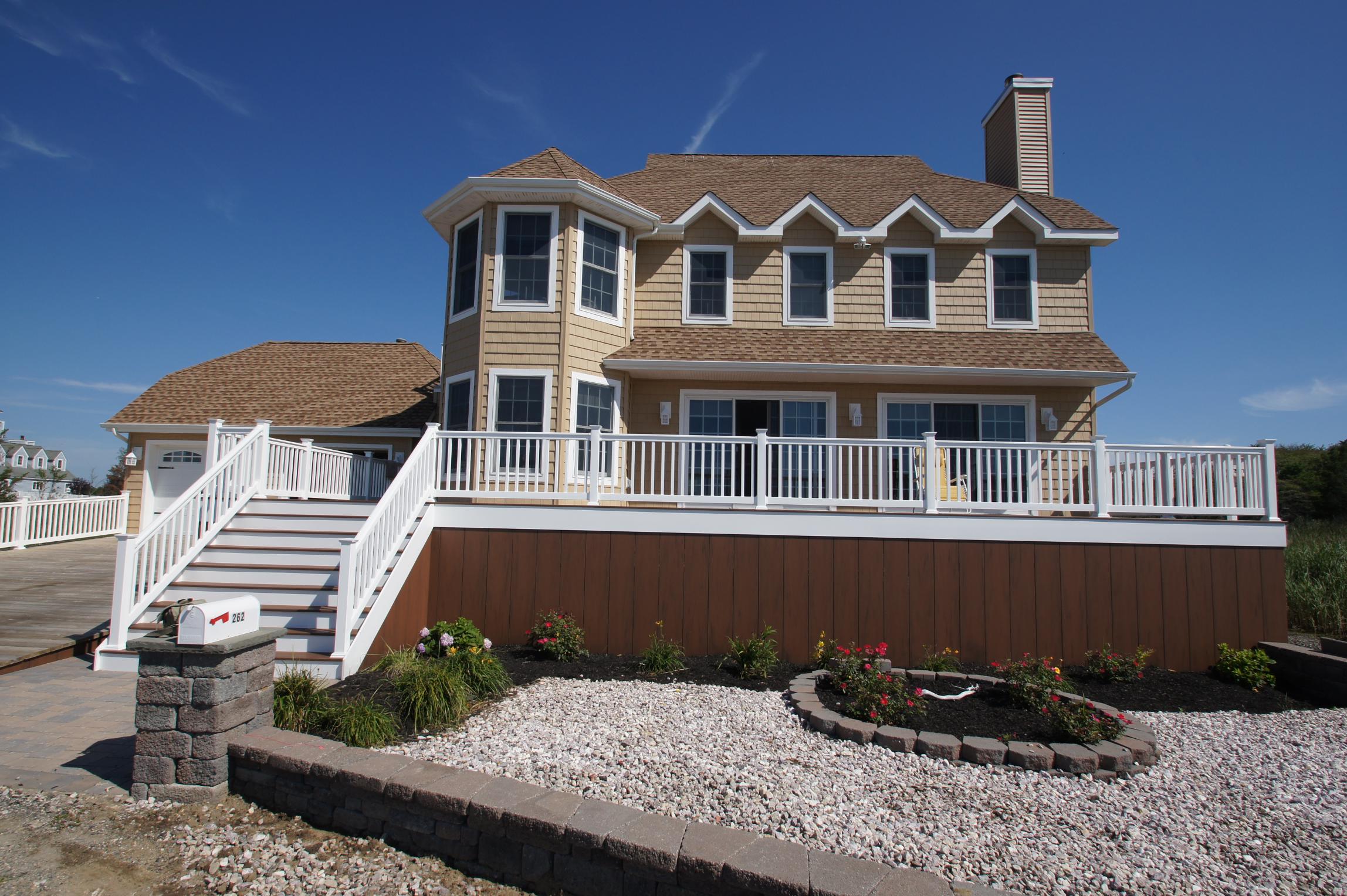
When Your Porch Starts Sagging After a Home Lift: A Complete Guide to Proper Porch Reconstruction in Ocean County, NJ
If you've noticed your front porch starting to sag or pull away from your home, especially after a house lift, you're not alone. This is one of the most common structural issues we see in Ocean County homes that were elevated to protect against flooding. While the problem is serious, it's entirely fixable with proper reconstruction techniques and engineered footings.
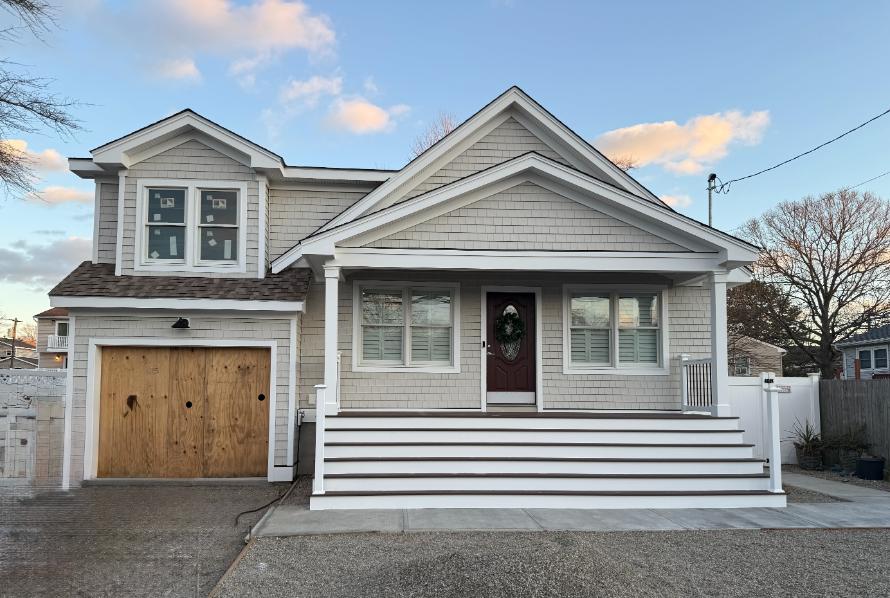
At J.A.Y. Construction, we recently completed a comprehensive porch reconstruction and addition project in Brick, New Jersey that perfectly demonstrates why proper footings matter and what quality reconstruction looks like. This guide will help you understand what causes porch sagging, when to take action, and what to expect from professional reconstruction.
Understanding Why Porches Sag After Home Lifts
The relationship between house lifting and porch problems isn't always obvious to homeowners, but it's a pattern we've seen repeatedly throughout Brick, Toms River, and surrounding Ocean County communities. When homes are properly elevated to meet FEMA requirements and protect against coastal flooding, the main structure gets the attention it deserves. However, porches are often treated as an afterthought.
The Root Cause: Inadequate Footings
According to the International Code Council, all structural elements of a home—including porches—require properly engineered footings that extend below the frost line and are sized to support the imposed loads. When contractors cut corners during post-lift construction, they may install footings that are too shallow, too narrow, or improperly reinforced.
Over time, these inadequate footings lead to several problems. The soil beneath the porch begins to compact and settle unevenly, particularly in New Jersey's clay-heavy soil conditions. Seasonal freeze-thaw cycles cause additional movement, while the weight of the porch structure exceeds what the footings were designed to support. The result is visible sagging, separation from the main structure, and in severe cases, structural failure.
Why This Happens More Often Than It Should
In the years following Superstorm Sandy, thousands of homes were elevated throughout New Jersey's coastal communities. The rush to complete projects, combined with varying levels of contractor experience, meant that not every aspect of reconstruction received the same level of attention. House lifting is a specialized skill, and so is post-lift reconstruction.
Many contractors who successfully lift homes lack the structural engineering knowledge to properly design and install porch footings. Some don't account for New Jersey's specific soil conditions and frost depth requirements. Others simply underestimate the loads involved, particularly for larger wraparound porches or two-story structures.
Recognizing the Warning Signs
Homeowners often miss the early warning signs of porch failure because the changes happen gradually. Learning to spot these indicators early can prevent more serious problems and potentially reduce repair costs.
Visual Indicators
Start by walking around your porch and looking for gaps between the porch structure and your home's main structure. Even a quarter-inch gap indicates movement. Check whether your porch floor remains level or if certain areas feel or appear lower than others. Look for cracks in concrete porch floors or foundation walls, which often indicate settling.
Examine your porch railings closely—if they're no longer perfectly vertical or if posts have visible lean, your porch foundation has moved. Doors that used to open smoothly but now stick or won't close properly can also indicate that the porch is pulling away from the doorframe.
Structural Concerns
Beyond what you can see, pay attention to how your porch feels underfoot. Does the floor bounce excessively when you walk across it? Do you hear creaking or cracking sounds that weren't there before? These symptoms often indicate that structural members are under stress from foundation movement.
If your porch has been painted or sealed, check for areas where the finish is cracking or peeling in unusual patterns. This can reveal underlying structural movement that hasn't yet become visible in other ways.
The Brick, NJ Project: A Case Study in Proper Reconstruction
Our recent project in Brick provides an excellent example of how proper porch reconstruction should be approached. The homeowner contacted us after noticing their porch had developed a noticeable sag several years after their home was lifted. An inspection revealed that the original contractor had failed to install adequate footings, creating a ticking time bomb for structural failure.
Initial Assessment and Engineering
Rather than attempting surface-level repairs that would only mask the problem temporarily, we recommended complete porch removal and reconstruction. This approach allowed us to install properly engineered footings designed specifically for the home's load requirements and local soil conditions.
The project began with careful documentation of the existing structure and its failures. We took measurements, photographed the damage, and worked with a structural engineer to design a footing system that would exceed current building codes. This engineering phase is crucial—according to the American Society of Civil Engineers, proper foundation design requires understanding both the loads above and the soil characteristics below.
Combining Reconstruction with Addition
One of the smartest decisions this homeowner made was combining the necessary porch reconstruction with a planned home addition. This integrated approach offered several advantages. First, it eliminated redundant construction phases, since we could address the foundation work for both projects simultaneously. Second, it created a unified structural system where the porch and addition worked together rather than as separate elements. Third, it significantly reduced overall project costs compared to doing the work separately.
From an architectural standpoint, designing the porch and addition together ensured seamless integration. The rooflines flow naturally, the exterior materials match perfectly, and there's no obvious division between old and new construction. This unified approach increases both the functionality and resale value of the home.
Advanced Construction Techniques That Make a Difference
The difference between adequate construction and exceptional construction often lies in the details. While most contractors can build a structurally sound porch, truly exceptional work requires advanced techniques and years of experience.
Mitered Stair Stringers: Why This Detail Matters
One of the most distinctive features of this Brick project is the stair construction. Look closely at the photos and you'll notice that the stair stringers and toekicks are cut at precise 45-degree miters, leaving no exposed end grain visible from any angle.
This technique serves both aesthetic and functional purposes. Aesthetically, mitered corners create clean, seamless lines that elevate the overall appearance of the porch. There are no rough edges or exposed cut ends to interrupt the visual flow. Functionally, eliminating exposed end grain significantly improves durability. Wood absorbs moisture through end grain much faster than through face grain, according to research from the Forest Products Laboratory. By protecting these vulnerable edges with mitered joints, we dramatically extend the life of the stair structure.
Why Few Contractors Use This Method
Mitered stair stringers require exceptional skill and precision. The cuts must be exact—even small errors result in gaps or misalignment that compromise both appearance and structural integrity. The technique demands specialized tools, considerable experience, and meticulous attention to detail at every step.
Most contractors avoid this method because it's time-intensive and technically challenging. At J.A.Y. Construction, we've refined this technique over years of practice. The result is stair construction that not only looks better but performs better over the long term, particularly in New Jersey's harsh coastal climate where moisture protection is paramount.
Material Selection and Finishing
Beyond structural techniques, material selection plays a crucial role in long-term performance. For this project, we used pressure-treated lumber rated for ground contact on all foundation-adjacent elements. Stair treads received additional weather-resistant coatings designed specifically for high-traffic exterior applications.
The railing system combines structural performance with coastal aesthetics, using materials proven to withstand New Jersey's salt air and temperature swings. White vinyl-clad railings offer low maintenance while maintaining crisp visual lines, while the dark stained treads create the classic coastal contrast that complements the home's shingle siding.
New Jersey-Specific Considerations for Porch Construction
Building in Ocean County comes with unique challenges that contractors from other regions may not fully appreciate. Our coastal climate, soil conditions, and building code requirements all demand specialized knowledge and experience.
Frost Depth and Soil Conditions
New Jersey requires footings to extend at least 36 inches below grade in most areas, with some municipalities requiring even deeper footings near the coast. This frost-depth requirement isn't arbitrary—it protects against heaving that occurs when moisture in the soil freezes and expands during winter months.
Ocean County's soil composition adds another layer of complexity. Much of the area features clay-heavy soils that hold moisture and experience significant seasonal movement. Proper footing design must account for these characteristics, often requiring wider footings than minimum code requirements or additional reinforcement.
Coastal Climate Protection
Salt air accelerates corrosion of metal fasteners and connectors, while humidity promotes wood rot and decay. Professional porch construction in coastal areas requires marine-grade hardware, proper moisture barriers, and ventilation details that prevent moisture accumulation in enclosed structural cavities.
Wind load calculations also differ in coastal zones. Porches must be engineered to withstand higher wind speeds without failure, and connections between the porch structure and main house must be reinforced accordingly. These aren't details that show up in photos, but they're critical to long-term performance and safety.
Municipal Permit Requirements
Every municipality in Ocean County has specific permit requirements for porch reconstruction, particularly when the work involves structural changes or connects to a previously lifted home. The New Jersey Department of Community Affairs mandates that all structural work receive proper inspection and approval.
Working with an experienced local contractor ensures that all permits are obtained correctly and that the work complies with both state building codes and local amendments. This documentation becomes particularly important for property transfers, insurance claims, and future renovation work.
The Complete Reconstruction Process: What to Expect
Understanding the reconstruction process helps homeowners prepare mentally, logistically, and financially for the work ahead. While every project has unique aspects, professional porch reconstruction follows a consistent general sequence.
Phase 1: Assessment and Planning (1-2 Weeks)
The process begins with a detailed structural assessment. An experienced contractor will examine your existing porch from multiple angles, checking for not just obvious problems but underlying issues that may not be immediately visible. This includes inspecting the connection points between your porch and main structure, assessing the condition of existing structural members, and evaluating soil conditions around the foundation.
During this phase, we'll also discuss your goals beyond just fixing the problem. Do you want to expand the porch area? Would you like to change the style or add features like a roof extension? Are there accessibility improvements you'd like to incorporate? This is the time to consider combining necessary repairs with desirable improvements, as we did with the Brick project's addition.
Phase 2: Engineering and Permits (2-4 Weeks)
Once the scope is defined, a structural engineer designs the footing and framing system. This engineering work is not optional—it's required by building codes for structural work and provides the calculations that prove your new porch will safely support its intended loads.
Simultaneously, we handle all permit applications with your local building department. This includes submitting detailed plans, paying applicable fees, and scheduling required inspections. The permit timeline varies by municipality, but planning for 2-4 weeks is typically realistic for straightforward porch reconstruction projects.
Phase 3: Demolition and Preparation (3-5 Days)
With permits in hand, work begins with careful demolition of the existing porch structure. This isn't a rush job with a sledgehammer—we systematically dismantle the old porch, salvaging any components that may be reused and properly disposing of the rest.
Demolition reveals exactly what we're working with below grade. Sometimes we discover additional problems that weren't visible during initial inspection, such as deteriorated sill plates or compromised floor systems. While these discoveries can be frustrating, finding and addressing them now prevents bigger problems later.
Phase 4: Foundation and Framing (1-2 Weeks)
New footings are excavated, formed, and poured according to engineered specifications. After the concrete cures for several days, we build up the foundation system with block or additional concrete work as needed. Every component receives inspection and approval before we move forward.
Once the foundation is complete and approved, the new porch framing begins. This includes installing new sill plates, joist systems, and structural connections to the main house. Each connection point is engineered and installed according to code requirements, with special attention to proper flashing and moisture protection.
Phase 5: Finish Carpentry and Details (1-2 Weeks)
With the structural skeleton complete, we move to the finish work that defines the porch's final appearance. This includes installing decking or floor systems, building and installing custom railings, constructing stairs with proper rise and run calculations, and executing detailed trim work.
For projects featuring advanced techniques like mitered stair stringers, this phase demands exceptional precision. We take our time to ensure every cut is perfect, every joint is tight, and every detail meets our quality standards.
Phase 6: Final Inspection and Completion (1-3 Days)
The project concludes with final municipal inspections, cleanup of the work area, and a walkthrough with the homeowner. We explain proper maintenance procedures, provide warranty documentation, and ensure complete satisfaction with the finished work.
Cost Considerations and Investment Value
Porch reconstruction costs vary significantly based on size, complexity, and design choices. Understanding the factors that influence pricing helps homeowners budget appropriately and make informed decisions about their project.
Factors Affecting Reconstruction Costs
The most significant cost driver is the size and complexity of your porch. A simple 10x10 front stoop costs considerably less than a 30-foot wraparound porch with multiple levels. Structural requirements also affect pricing—porches requiring deep footings, extensive foundation work, or complex engineering command higher costs.
Design choices matter too. Custom railings, premium decking materials, and architectural details like mitered stairs or custom trim all add to the bottom line. However, these investments often pay dividends in appearance, durability, and property value.
Don't forget about related costs like permits, engineering fees, and potential landscaping restoration. A complete budget should account for all aspects of the project, not just the construction itself.
The Value of Combining Projects
As the Brick project demonstrates, combining necessary porch reconstruction with planned additions or improvements often provides better overall value. Mobilization costs get spread across a larger project, foundation work serves multiple purposes, and architectural integration is easier to achieve when everything is designed together.
If you've been considering an addition, mudroom, or expanded porch area, exploring these options while planning reconstruction can yield significant savings compared to tackling projects separately over several years.
Long-Term Financial Benefits
Beyond the immediate fix, proper porch reconstruction provides lasting financial benefits. Insurance premiums may decrease once structural deficiencies are corrected and documented. Property value increases with improved curb appeal and verified structural integrity. Perhaps most importantly, you avoid the escalating costs of continued deterioration and potential catastrophic failure.
Choosing the Right Contractor for Porch Reconstruction
Porch reconstruction, particularly after a home lift, requires specialized expertise that not all contractors possess. Making the right choice protects your investment and ensures work that will last for decades.
Essential Qualifications to Verify
Start by confirming that any contractor you consider holds proper New Jersey licensing. Home improvement contractors must be registered with the state and carry appropriate insurance coverage. Don't accept verbal assurances—ask to see current license numbers and insurance certificates.
Experience with post-lift reconstruction is particularly valuable. Contractors who regularly work on elevated homes understand the unique challenges involved and have established relationships with structural engineers familiar with coastal construction requirements. Ask specifically about similar projects they've completed in your area.
Questions Every Homeowner Should Ask
Beyond basic qualifications, dig deeper into the contractor's approach and capabilities. How will they assess the existing structural problems? What engineering support will they provide? Can they show examples of similar projects with similar challenges?
Ask about their process for handling unexpected discoveries during demolition. How do they manage permits and inspections? What warranties do they provide on their work? These questions reveal whether a contractor has systems and experience or is figuring things out as they go.
Don't hesitate to request and contact references, particularly for projects similar to yours. Speaking with previous clients provides insights that no amount of marketing materials can match.
Red Flags to Watch For
Certain warning signs should prompt serious caution. Be extremely wary of contractors who suggest "band-aid" repairs for sagging porches caused by foundation issues. If someone proposes shimming, sister joist installation, or other temporary fixes without addressing the foundation problem, walk away.
Contractors who can't or won't provide detailed written estimates, who pressure you to make immediate decisions, or who offer prices dramatically lower than other bids are usually trouble. So are those who suggest skipping permits or inspections to save time and money.
Trust your instincts. If something feels off about a contractor's presentation, communication style, or business practices, there's probably a good reason.
Preventive Maintenance for Long-Term Performance
Once your porch is properly reconstructed, regular maintenance preserves your investment and prevents future problems.
Annual Inspection Checklist
Each spring and fall, walk around your porch looking for the same warning signs that alerted you to the original problem. Check for any new gaps between the porch and house, inspect all visible structural connections, and verify that railings remain secure and vertical.
Examine the condition of your porch surface—whether wood decking, composite materials, or concrete. Look for cracks, rot, or deterioration that could allow moisture penetration. Clean out any debris that's accumulated in corners or along the house connection.
Moisture Management
Protecting your porch from moisture damage is crucial in New Jersey's humid climate. Ensure that gutters and downspouts direct water well away from your porch foundation. Verify that the porch surface still slopes slightly away from the house, promoting drainage rather than pooling.
If you have landscaping near your porch, keep mulch at least six inches away from wood components and trim vegetation to promote air circulation. These simple measures dramatically reduce moisture-related decay.
When to Call a Professional
While homeowners can handle routine cleaning and minor maintenance, some situations require professional attention. If you notice any movement, new gaps, or structural changes, contact a qualified contractor immediately. Early intervention on minor problems prevents them from becoming major failures.
Similarly, if you discover rot, insect damage, or other deterioration affecting structural members, professional repair is essential. These aren't DIY projects—proper repair requires understanding load paths and structural requirements.
Broader Implications: Post-Lift Construction Throughout Ocean County
The Brick project represents just one example of a widespread issue throughout New Jersey's coastal communities. Thousands of homes were lifted in the years following Superstorm Sandy, and many of those projects included substandard porch reconstruction.
A Growing Awareness
Homeowners are increasingly recognizing these problems as porches age and issues become more apparent. What seemed like a minor imperfection five years ago now shows clear signs of structural compromise. This growing awareness is driving demand for proper reconstruction services.
Building departments are also paying closer attention. Inspectors who may have been more lenient during the post-Sandy reconstruction rush now enforce codes more strictly. This shift benefits homeowners by ensuring that future work meets proper standards.
The Importance of Learning from Past Mistakes
The construction industry as a whole has learned valuable lessons from post-Sandy reconstruction. Contractors now better understand the importance of proper footing design, the need for engineering support on complex projects, and the value of doing things right the first time.
These lessons benefit current homeowners who need reconstruction work. The contracting community's collective experience means better solutions, more reliable estimates, and higher quality work than was common during the rushed reconstruction period.
Taking Action: Next Steps for Your Porch
If you've recognized signs of porch problems in your own home, taking action now prevents bigger issues down the road. Here's how to move forward efficiently and effectively.
Start with a Professional Assessment
Contact experienced contractors for initial consultations. Most reputable contractors, including J.A.Y. Construction, provide free initial assessments where they'll evaluate your porch's condition and discuss potential solutions. Use these consultations to gather information and compare approaches.
Come prepared with questions about your specific situation. How severe is the problem? What caused it? What are your options for addressing it? Can the work be combined with other improvements you've been considering? Taking notes during these consultations helps you compare responses and identify the contractor who best understands your needs.
Plan for the Investment
Once you understand what's needed, develop a realistic budget and timeline. Remember that proper reconstruction is an investment in your home's safety, functionality, and value. While the upfront cost may seem significant, it's far less than dealing with structural failure or selling a home with documented problems.
Explore financing options if needed. Many contractors work with lending institutions that specialize in home improvement loans, and some projects may qualify for special financing programs for post-disaster reconstruction or resilience improvements.
Make an Informed Decision
Don't rush the contractor selection process. Take time to verify credentials, check references, and ensure you're comfortable with your choice. The contractor you select will be working on your home, potentially for several weeks. Choose someone you trust to deliver quality work and communicate effectively throughout the project.
Conclusion: Building for the Long Term
The porch reconstruction project in Brick, New Jersey, demonstrates what's possible when structural problems are addressed properly rather than simply patched over. By installing engineered footings, employing advanced construction techniques, and combining necessary repairs with thoughtful improvements, the homeowners now have a porch that will serve them reliably for decades to come.
Your home deserves the same level of care and craftsmanship. If your porch shows signs of sagging, settling, or separation from your home, don't wait for the problem to worsen. Professional reconstruction protects your investment, enhances your home's appearance, and provides peace of mind that your home's structure is sound.
Ready to Address Your Porch Problems?
J.A.Y. Construction has been serving Ocean County homeowners for over 20 years, specializing in exterior renovations, additions, and post-lift reconstruction. Our team understands the unique challenges of coastal construction and the specific requirements for correcting improperly built porches.
We invite you to contact us for a complimentary consultation about your porch reconstruction needs. Let's discuss how we can restore your porch's structural integrity while enhancing your home's appearance and value.