
Summer Storm Damage at the Jersey Shore: How Wind, Rain and Lightning Can Affect Your Home
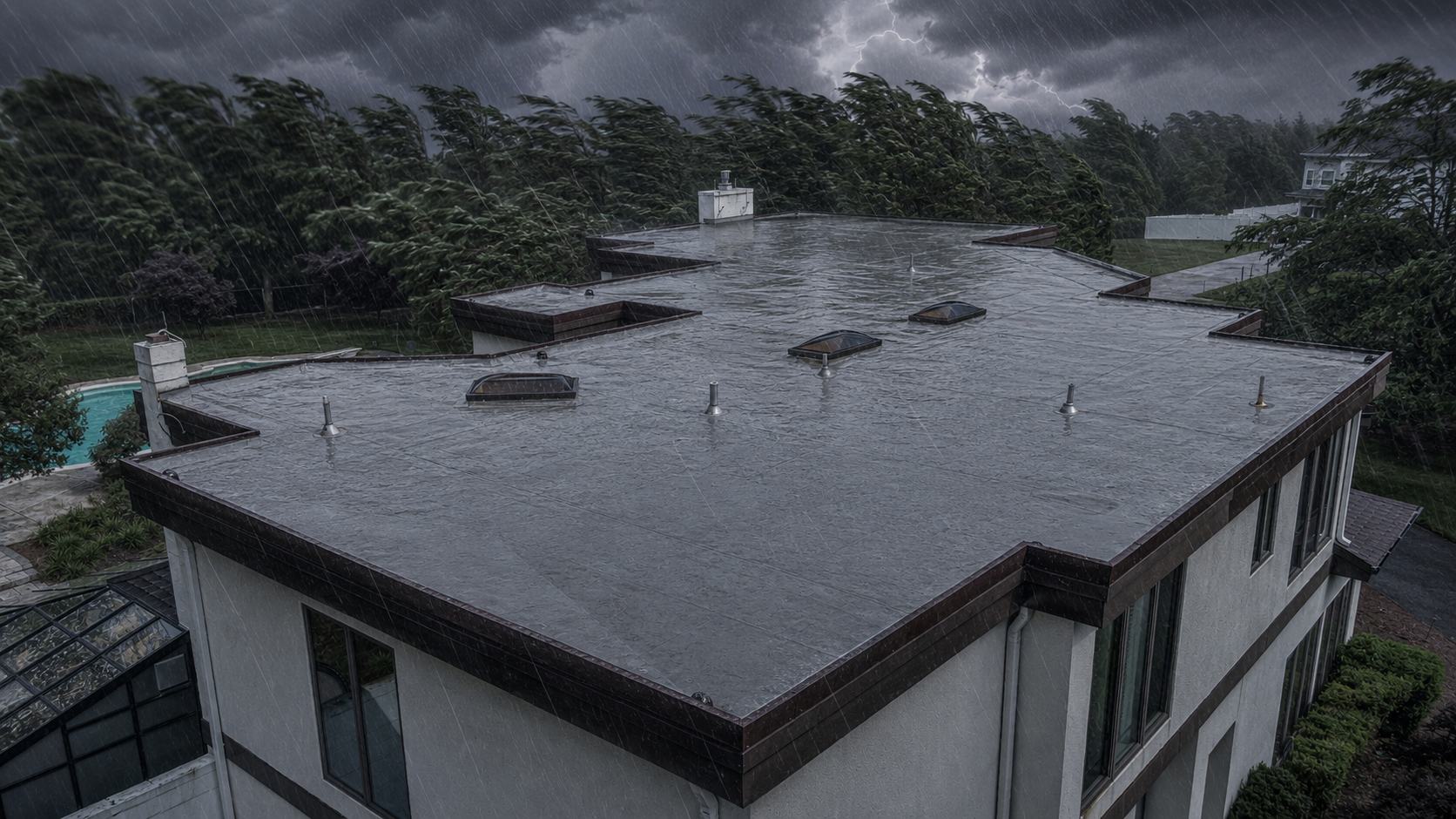
Summer at the Jersey Shore brings warm weather, beach days and more time spent outdoors—but it also brings fast-moving thunderstorms capable of producing heavy rain, powerful wind gusts, falling branches and dangerous lightning.
For homeowners in Toms River, Brick, Point Pleasant, Seaside Park, Lavallette, Mantoloking, Bay Head, Manasquan, Spring Lake, Sea Girt and communities throughout Ocean and Monmouth Counties, a summer storm can do more than scatter outdoor furniture. It can damage the roofing and exterior systems that protect the inside of a home.
Summer storms can loosen or remove roof shingles, damage flashing, crack siding, compromise skylights and force wind-driven rain through small exterior openings. Once water gets past the exterior, it may affect roof decking, insulation, drywall, ceilings, flooring and electrical systems.
Some storm damage is immediately visible. Other problems remain hidden until the next round of heavy rain.
Understanding what to inspect—and knowing when to contact a professional New Jersey roofing contractor—can help prevent a manageable exterior repair from becoming extensive interior damage.
Why Jersey Shore homes face unique summer storm risks
Homes along the New Jersey coast experience conditions that may be different from those encountered farther inland. Coastal exposure can bring strong winds, wind-driven rain, salt air and rapidly changing weather.
A roof or exterior may perform normally during light rain but leak when rain is driven horizontally by strong winds. This is because wind-driven water can reach vulnerable areas around:
- Roof flashing
- Chimneys
- Skylights
- Roof vents
- Valleys
- Siding seams
- Window and door openings
- Fascia and soffits
- Roof-to-wall connections
Communities near Barnegat Bay, the Atlantic Ocean, rivers and other exposed areas may experience particularly forceful winds. However, serious summer storm damage is not limited to waterfront homes. Properties in Toms River, Brick, Manchester, Jackson, Freehold, Holmdel and other inland communities can also sustain damage from severe thunderstorms, falling trees and localized flooding.
According to Ready.gov’s thunderstorm and lightning guidance, thunderstorms may produce intense winds, flash flooding, hail and dangerous lightning.
How heavy winds can damage a roof
Strong winds do not need to remove an entire section of roofing to create a problem. Wind can lift the edge of a shingle, weaken its seal or loosen flashing without producing an obvious opening visible from the ground.
Potential signs of wind-related roof damage include:
- Missing shingles
- Lifted or curled shingle edges
- Creased, cracked or torn shingles
- Exposed underlayment
- Loose ridge-cap shingles
- Displaced metal flashing
- Damaged roof vents
- Granules collecting in gutters
- Branches or debris on the roof
- New noises in the attic during high winds
A shingle that lifts during a storm may settle back into place afterward and appear normal. However, its seal or fasteners may have been compromised. The next storm can allow water to enter beneath it.
GAF identifies missing or damaged shingles, leaks, granule loss, broken gutters and attic damage as common indicators of roof storm damage. Homeowners can review additional GAF storm-damage information.
If you suspect wind damage, avoid climbing onto the roof. Photograph visible conditions from the ground and arrange for a professional roof inspection.
How heavy rain finds vulnerable areas
A properly functioning roof is designed to direct water away from the home. During heavy or wind-driven rain, however, even a small vulnerability can allow water to pass through the roofing system.
Common entry points include:
- Damaged or missing shingles
- Deteriorated sealant
- Loose chimney flashing
- Improperly flashed roof penetrations
- Worn pipe boots
- Clogged or overflowing gutters
- Damaged roof valleys
- Aging skylight flashing
- Gaps around windows and doors
- Siding penetrations
- Roof-to-wall intersections
Water does not always drip directly below its entry point. It may travel along a roof rafter, pipe, fastener or section of decking before becoming visible on a ceiling or wall. That means the stain inside the home may not identify the actual exterior source.
A professional roof inspection should evaluate the roof as a complete system, including its shingles, flashing, underlayment, ventilation, penetrations, decking and drainage.
Can thunder damage a home?
Thunder itself is the sound created by the rapid expansion of air surrounding a lightning channel. It is an important warning that lightning is nearby, but thunder is generally not what causes physical damage to a house.
The related storm conditions—lightning, strong winds, heavy rain, hail and falling debris—create the more significant property risks.
If thunder can be heard, homeowners and family members should move indoors and follow current weather alerts. Do not go outside during the storm to check the roof or move loose objects.
How lightning can affect a home
Lightning can affect a house through a direct strike, nearby ground current or an electrical surge that enters through power, cable or communication lines.
Potential consequences can include:
- Electrical surges
- Damage to appliances and electronics
- Damage to wiring or electrical panels
- Fire
- Damage to chimneys, roofing or exterior materials
- Damage to trees that may subsequently fall on the house
NOAA’s National Severe Storms Laboratory explains that lightning is a large electrical discharge occurring in the atmosphere, between clouds or between the atmosphere and the ground. Learn more through NOAA’s lightning science resource.
If you suspect a lightning strike, smell smoke, see sparks or notice electrical damage, leave the affected area and contact emergency services. Roofing and construction professionals should inspect the property only after emergency hazards have been addressed and the area is safe.
Summer storm damage can extend beyond the roof
The roof is a home’s first line of protection, but it is not the only exterior system that may be damaged during a summer storm.
Siding
Wind can loosen siding panels, open seams and drive rain behind the siding. Flying debris may crack, puncture or dent exterior materials.
Warning signs include:
- Loose or missing panels
- Cracks or holes
- Bulging or warped areas
- Rattling during wind
- Water stains on interior exterior-facing walls
- Moisture beneath windows
- Sections of siding pulling away from trim
J.A.Y. Construction provides full exterior renovation services, including roofing, siding, windows, doors, trim, decks and porches.
Gutters and downspouts
Gutters control how rainwater moves away from the roof and foundation. Heavy rain, wind and debris can clog gutters, bend sections or pull them away from the fascia.
Damaged drainage systems may cause:
- Water backing up near the roof edge
- Fascia and soffit deterioration
- Water running down siding
- Soil erosion
- Water collecting near the foundation
- Basement or crawl-space moisture
Windows and doors
Wind-driven rain may enter around deteriorated caulk, flashing or improperly sealed openings. Look for moisture on sills, water beneath windows, bubbling paint or dampness around trim.
Skylights
Skylights are especially exposed during heavy weather. Leaks can develop around aging flashing, deteriorated components or surrounding roofing materials.
Water staining, condensation between panes, bubbling paint or damp drywall around a skylight should be professionally evaluated. Learn more about J.A.Y. Construction’s skylight installation and replacement services.
Decks and porches
Strong winds and falling limbs may damage decking, railings, screens, porch roofs and structural connections. Water that repeatedly collects against wood can also accelerate deterioration.
How exterior damage becomes interior damage
A small exterior opening can allow water into several interconnected parts of the home.
Exterior vulnerabilityPossible interior effectMissing or lifted roof shinglesWet decking, attic leaks and ceiling stainsDamaged chimney or wall flashingWater inside walls or around a fireplaceCompromised skylight flashingStained drywall, peeling paint or ceiling damageClogged or broken guttersWet fascia, foundation moisture or basement waterCracked or loose sidingDamaged sheathing, insulation or interior wallsLeaking window or door openingDamaged trim, flooring or drywallFalling branch or debris impactPunctured roofing, structural damage or broken glassLightning or power surgeElectrical-system, appliance or fire damage
Water intrusion can affect:
- Roof sheathing and structural wood
- Attic insulation
- Drywall and ceilings
- Paint and interior finishes
- Wood flooring
- Cabinets and trim
- Electrical fixtures
- Indoor air quality
A stain may appear minor, but the visible mark does not necessarily reveal how long water has been entering or how far it has traveled.
Signs of storm damage inside your home
After the storm has passed and local authorities indicate conditions are safe, inspect accessible interior areas for:
- New ceiling or wall stains
- Damp or discolored drywall
- Bubbling or peeling paint
- Musty odors
- Wet attic insulation
- Dripping near light fixtures
- Water around skylights
- Damp window or door trim
- Buckling flooring
- Unexplained electrical problems
- Cracks or bulging in drywall
- Visible daylight through the attic roof
Do not touch a wet light fixture, electrical panel or exposed wire. Shut off electricity only if it can be done safely, and contact a qualified electrical professional when water and electrical systems may be involved.
What should homeowners do after a Jersey Shore storm?
1. Put safety first
Wait until the storm has passed. Watch for downed power lines, broken branches, standing water, damaged structures and other hazards.
2. Inspect from the ground
Walk around the property only when it is safe. Look for missing shingles, siding pieces, fallen branches, gutter damage and displaced exterior components.
3. Check the attic and interior
Look for stains, dripping, damp insulation, musty odors and water around skylights, chimneys, windows or ceiling fixtures.
4. Document visible conditions
Photograph or record visible damage before temporary or permanent repairs begin. Include the roof from ground level, siding, gutters and interior water damage.
5. Protect the interior
Move furniture and belongings away from active leaks if it is safe. Use containers to collect dripping water. Do not enter an area where the ceiling is bulging or appears unstable.
6. Contact an experienced contractor
A professional can identify whether the problem is isolated, whether temporary protection is needed and whether repairs should be completed before the next storm.
7. Notify your insurance carrier when appropriate
Coverage depends on the policy and the cause of damage. Contact the insurance company promptly, document the loss and avoid assuming that all storm-related work will automatically be covered.
Should you request a roof inspection if there is no visible leak?
Yes, a professional evaluation may be appropriate after a severe storm even when there is no active indoor leak—especially when neighboring homes lost shingles, large branches fell nearby or the roof is older.
Storm damage can remain hidden because:
- Lifted shingles may settle back down.
- Flashing can loosen without detaching.
- Small punctures may be difficult to see from the ground.
- Water may enter the attic before reaching a finished ceiling.
- Gutters may conceal excessive shingle-granule loss.
Early evaluation provides an opportunity to address vulnerable areas before additional wind and rain make the damage worse.
Repairing storm damage versus replacing the roof
Not every damaged roof requires a complete replacement. The appropriate solution depends on:
- Age and condition of the roof
- Number of damaged areas
- Condition of the roof decking
- Previous repairs
- Availability of compatible materials
- Flashing and ventilation conditions
- Extent of water intrusion
- Manufacturer and workmanship warranty requirements
A limited repair may be appropriate when damage is isolated and the remaining roof is in serviceable condition. Replacement may be more practical when damage is widespread, the roofing system is near the end of its useful life or repeated repairs are no longer addressing the underlying problem.
J.A.Y. Construction evaluates the roof and explains the available options so homeowners can make an informed decision.
Protecting homes throughout Ocean and Monmouth Counties
J.A.Y. Construction is a family-owned New Jersey general contractor headquartered in Toms River and serving homeowners throughout Ocean and Monmouth Counties.
Our Roofing & Siding Division provides:
- Roof inspections
- Roof repair
- Complete roof replacement
- Storm-damage assessment
- Emergency roof tarping
- Asphalt shingle roofing
- Flat roofing
- Siding installation and replacement
- Skylight installation and replacement
- Window and door replacement
- Full exterior renovations
We serve homeowners in Toms River, Brick, Point Pleasant, Seaside Heights, Seaside Park, Manchester, Lacey Township, Forked River, Bayville, Island Heights, Pine Beach, Beachwood, Lavallette, Bay Head, Mantoloking, Manasquan, Sea Girt, Spring Lake, Wall Township, Belmar, Bradley Beach, Avon-by-the-Sea, Asbury Park, Rumson, Sea Bright, Holmdel, Shrewsbury, Little Silver and surrounding New Jersey communities.
Schedule a roof or exterior storm-damage evaluation
If your home was exposed to heavy wind, rain, falling debris or lightning, do not wait for the next storm to reveal a hidden vulnerability.
Contact J.A.Y. Construction for a professional roof and exterior evaluation. Our experienced team can inspect the visible damage, identify potential points of water entry and explain whether repair, replacement or temporary protection is recommended.
Call J.A.Y. Construction at 732-736-0660 or request a consultation online.
Protect your roof. Protect your exterior. Protect everything inside your home.
Frequently Asked Questions
Can heavy rain cause a roof to leak even if no shingles are missing?
Yes. Water can enter through deteriorated flashing, worn seals, damaged pipe boots, roof valleys, skylights or roof-to-wall connections. Wind-driven rain can also reach areas that remain dry during ordinary rainfall.
What does wind damage to roof shingles look like?
Wind damage may appear as missing, lifted, curled, creased or torn shingles. Some damage is difficult to see from the ground because a lifted shingle can settle back into position after the storm.
Should I climb onto my roof after a summer storm?
No. A wet or damaged roof may be slippery or structurally unsafe. Inspect from the ground and contact an experienced roofing contractor for a closer evaluation.
How quickly should a roof leak be inspected?
As soon as it is safe. Water intrusion may continue to affect decking, insulation, ceilings and walls even when active dripping has stopped.
Can storm-damaged siding allow water inside a house?
Yes. Loose, cracked or missing siding can expose the weather-resistant barrier or sheathing beneath it. Wind-driven rain may then reach wall assemblies, insulation and interior finishes.
Does a ceiling stain always mean the roof is leaking directly above it?
No. Water can travel along rafters, pipes, fasteners or decking before it becomes visible. The stain’s location may be different from the actual point of entry.
Can lightning damage a roof?
A direct strike can damage roofing materials, chimneys, framing and electrical systems, and may create a fire hazard. A nearby strike can also produce damaging electrical surges. Suspected lightning damage should be treated as a potential emergency.
Do I need a roof inspection if I do not see any damage?
An inspection may still be prudent after severe wind, falling debris or neighborhood roof damage. Hidden problems can include loosened flashing, compromised shingle seals, small punctures and attic water intrusion.
Does J.A.Y. Construction provide emergency roof tarping?
Yes. J.A.Y. Construction’s roofing services include storm remediation and emergency tarping for homes in Ocean and Monmouth Counties. Availability may depend on storm conditions and safe site access.
